Transform Your Vehicle: The Premier Handbook to Vehicle Wrap Solutions
Car wrapping has emerged as a well-known method for vehicle transformation. This innovative approach allows for customization while providing protection for the factory finish. With various options available, individuals can achieve unique aesthetics without the lasting nature of conventional painting. However, grasping the nuances of car wrapping, including application and upkeep, is vital. What makes this offering appealing, and how can one ensure a successful wrap? The answers lie in diving into the details further.
What Is Auto Wrapping and How Does It Work?
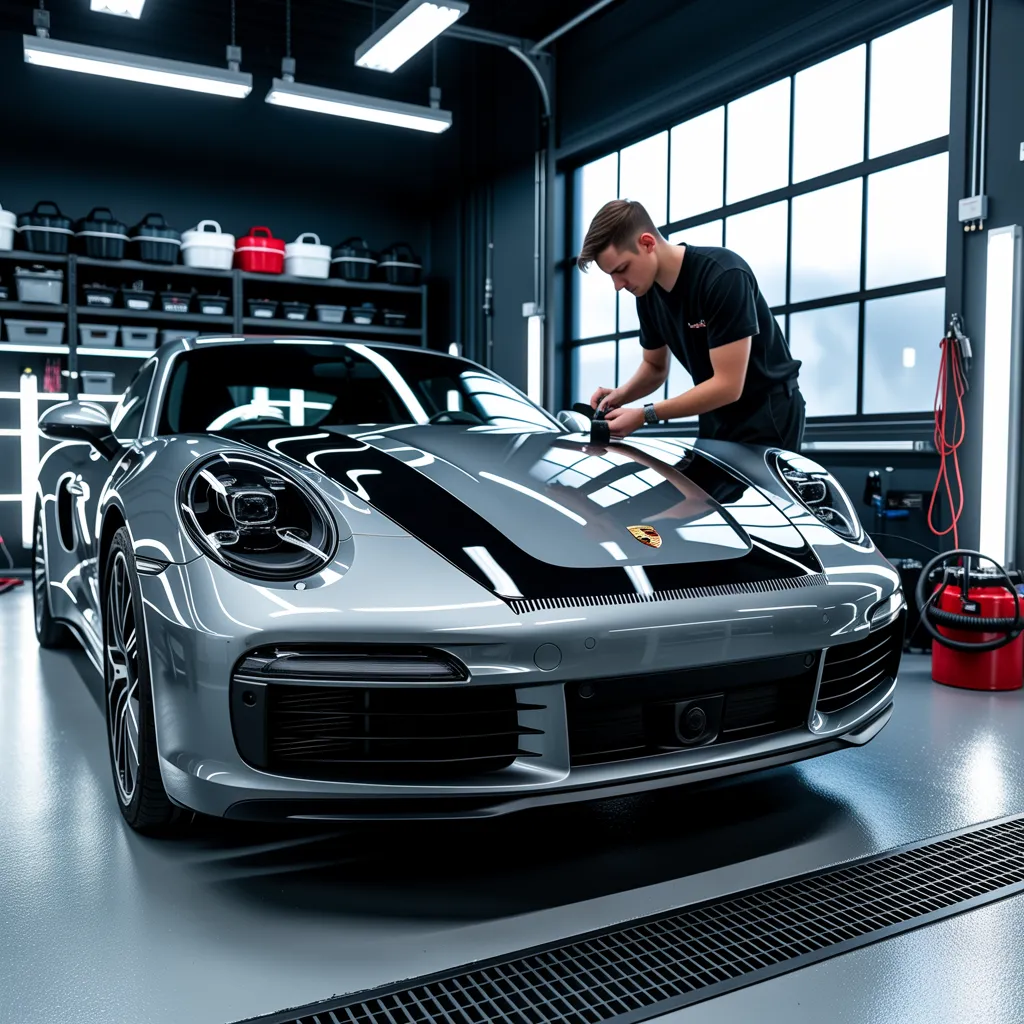
Car wrapping is a impactful technique where a flexible vinyl film is applied onto a vehicle’s original paint. This method allows for a wide range of colors, textures, and finishes, enabling owners to customize their vehicles without the permanence of traditional paint. It starts with a detailed cleaning of the vehicle’s surface to ensure proper adhesion. Afterwards, the vinyl film gets carefully measured and cut to perfectly fit each section of the vehicle. Skilled technicians then apply the film, using specialized tools to smooth out any air bubbles and guarantee a seamless finish. The wrapping material is crafted to be flexible, enabling it to mold to the vehicle’s curves. Once installed, the film endures for years with adequate care, delivering a protective layer that defends against scratches and UV damage. Ultimately, car wrapping provides an innovative solution for both appearance improvement and vehicle protection.
Advantages of Car Wrapping Compared Traditional Painting
Choosing car wrapping versus standard paint finishes offers numerous benefits that resonate with vehicle owners. One considerable advantage is the versatility of design; wraps can easily be customized with colors, patterns, and textures, facilitating unique personalization. Additionally, car wraps can be applied in a mere portion of the time it takes to paint a vehicle, minimizing downtime for owners.
Durability is an additional benefit; high-quality wraps are resistant to UV rays, scratches, and environmental elements, often enduring several years with proper care. In contrast, traditional paint can chip and fade more easily.
Furthermore, car wrapping is undoable, allowing owners to alter their vehicle's exterior look without permanently altering the original paint, which can help protect resale value. Finally, wraps are often more economical than a full paint treatment, establishing them an appealing option for those looking to enhance their vehicle's aesthetic without breaking the bank.
Categories of Car Wraps Available for Your Car
When considering car wraps, multiple choices are offered to match individual preferences. Vinyl wraps provide a range of hues and finishes, while specialty wraps deliver original designs for a standout look. Additionally, the decision between flat and shiny finishes can markedly affect the overall appearance of the vehicle.
Vinyl Film Preferences
There is a broad range of vinyl wrap choices for vehicle personalization, each aimed at different aesthetic preferences and requirements. Standard wraps generally offer a shiny or matte finish, giving a sleek look. Satin wraps merge the two finishes, offering a soft sheen that enhances the vehicle's profile. For those seeking a distinct appearance, textured wraps like carbon fiber or brushed metal mimic high-end materials, adding depth and sophistication. Color-changing wraps offer flexibility, enabling vehicles to shift colors depending on the light angle. Additionally, solid color wraps provide a uniform appearance, while digital prints allow intricate designs and graphics. Each choice enhances not only the vehicle’s look but also preserves the original paint.
Specialty Wrap Preferences
Beyond conventional vinyl options, specialty wraps provide distinctive options for car personalization that suit personal preferences and particular needs. These wraps include chrome coatings, which deliver a reflective, glossy appearance, perfect for those wanting a striking look. Carbon fiber coverings mimic the appearance of real carbon fiber, contributing a athletic aesthetic while remaining lightweight and durable. Furthermore, textured coverings, such as brushed metal or leather surfaces, allow for a sensory feel that distinguishes a vehicle from others. For marketing purposes, custom graphic wraps allow companies to showcase their brand identity successfully. Each specialty wrap not only improves the car's appearance but also safeguards its factory finish, making them a sensible option for numerous automotive fans.
Matte versus Gloss Effect
In what ways do matte and gloss surfaces contrast in vehicle wrapping? Matte finishes yield a muted, subtle appearance, drawing to those in search of a sophisticated, modern aesthetic. This texture can hide defects and is less prone to displaying fingerprints, rendering it popular among car enthusiasts. Conversely, matte finishes require specific care to sustain their visual appeal and can be more susceptible to surface damage.
In contrast, shiny coatings offer a glossy, lively look, boosting colors and giving vehicles a refined, attention-grabbing result. This finish bounces light, making it perfect for displaying complex patterns or emblems. While gloss wraps are simpler to keep clean, they may expose imperfections more easily. In the end, the decision between matte and gloss depends on personal preferences and desired aesthetics.
Expectations for Your Car Wrapping Installation
Car wrap installation transforms a vehicle's appearance with care and precision. Initially, the vehicle is thoroughly cleaned to eliminate any dirt, grease, or debris that could impact adhesion. Technicians then examine the surface for flaws, confirming a smooth application.
Once completed, the chosen vinyl wrap is carefully cut and measured to fit the vehicle's contours. During the application phase, the wrap is placed using specialized tools to prevent air bubbles and wrinkles. This process requires precise attention, as each section must match up perfectly with adjacent parts to create a seamless finish.
Following the film is adhered, excess material is trimmed, and the edges are securely tucked in or sealed. A final inspection is conducted to confirm that all areas meet quality standards. This meticulous approach ensures an outstanding enhancement that enhances the vehicle's aesthetic while providing a protective layer.
Care Advice for Keeping Your Car Wrap Appearing Fresh
Maintaining a vehicle wrap requires frequent care to keep it looking vibrant and new. Regular cleaning is essential; hand washing with mild soap and a delicate cloth helps prevent abrasions that can damage the vinyl. It is advisable to avoid automatic car washes with brushes, as they can create friction and lead to peeling.
Additionally, applying a UV protectant can shield the wrap from sun damage, maintaining its colors. Parking in shaded areas or employing protective covers can further reduce exposure to harmful UV rays. For stubborn stains, a mild cleaning agent formulated for vinyl wrap care may be used, but one should try it on a small section before applying.
Frequent examinations for any signs of wear, such as lifting edges or pockets of air, allow for timely restoration, making sure the wrap remains intact. Sticking to these maintenance tips will substantially increase the longevity and visual appeal of a car wrap, preserving it looking as good as new.
Where Can You Locate Trusted Car Wrapping Providers in Your Area?
Discovering trusted car wrapping services can greatly enhance the durability of a vehicle's wrap. To find reputable providers, individuals should start by consulting online reviews and ratings on platforms like Google, Yelp, or social media. These platforms often feature client reviews that highlight service quality, expertise, and craftsmanship.
Moreover, gathering suggestions from personal connections who have previously used car wrapping services can offer valuable insights. It is also beneficial to visit local automotive events or vehicle clubs, where professionals often exhibit their expertise.
After a shortlist is created, prospective clients should inquire about quotes and portfolios to appraise the merit of prior engagements. Engaging in direct conversations with experts allows for inquiries about their experience, technical specifications, and terms of coverage. In conclusion, extensive due diligence and community recommendations are vital for finding trustworthy car wrapping businesses that meet distinct requirements.
Understanding Cost Elements for Car Wraps
Grasping the price elements for car wrapping involves multiple key elements. Quality of materials significantly affects the overall price, while the complexity of the design can increase the expense. Additionally, installation labor costs must be taken into account, as they differ based on the complexities of the wrap process.
How Material Quality Determines Results
The grade of substance plays an essential role in determining the total cost of car wrapping solutions. Premium vinyl sheets usually feature advanced features including better durability, UV resistance, and ease of application. These products improve the aesthetic quality and also prolong the life of the wrap, reducing the need for frequent replacements. In comparison, budget alternatives may reduce upfront expenses but often result in quicker wear and fading, resulting in supplementary costs over time. Additionally, premium materials require expert application methods, affecting labor costs too. Thus, material selection greatly influences both initial expenditure and future worth, making it essential for vehicle owners considering a vehicle wrap.
Design Difficulty Considerations
How does the sophistication of design impact the overall cost of car wrapping services? The intricacy of a vehicle's design strongly affects pricing. Simple designs, including solid colors or minimalistic artwork, often cost less because of less material waste and easier application. In contrast, complex designs with elaborate patterns, gradients, or multiple colors demand more time and skilled labor, resulting in higher costs. Additionally, the need for precise alignment and cutting can further boost expenses. Clients should also consider the potential for extra modifications, as more complicated graphics may require multiple drafts. Ultimately, understanding the link between design complexity and cost is essential for clients seeking to achieve their desired aesthetic while keeping their budget effectively.
Installation Work Expenses
Installation labor charges account for a considerable part of the total fees related to car wrapping services. These costs can fluctuate greatly based on several factors, including the complexity of the design, the size of the vehicle, and the skill level of the installers. Intricate patterns or wraps requiring extra trimming and tweaks will need more time and expert skills, causing higher labor costs. Moreover, relevant article larger vehicles typically incur greater labor costs due to the increased surface area and the corresponding installation time required. It is essential for potential clients to obtain detailed estimates that break down these labor costs and consider them when budgeting for their car wrapping project. Being aware of these elements ensures informed choices.
Often Inquired Topics
What Length of Time Should You Anticipate for a Car Wrap's Lifespan?
A car wrap normally lasts between five to seven years, based on factors such as environmental conditions, maintenance, and application quality. Proper care can prolong its lifespan, preserving appearance and effectiveness over time.
Can You Remove a Car Wrap Yourself?
Yes, a car wrap is able to be removed by an person, although it necessitates careful technique to circumvent damage to the vehicle's paint. Heat guns or adhesive removers may support the process for smoother removal.
Can a Car Wrap harm My Vehicle's Finish?
A car wrap generally doesn't harm the vehicle's paint if installed and taken off properly. Nevertheless, incorrect application or extended time can result in adhesive issues, potentially affecting the paint underneath when removed.
Can You find guarantee options for vehicle wraps?
Yes, numerous car wrap operators deliver warranty offerings that routinely cover defects in materials and installation. Customers should inquire about specific terms, including duration and coverage, to confirm appropriate assurance for their capital.
Is wrapping a leased automobile permitted?
Yes, a rented vehicle can be wrapped, but it's important to inspect the lease agreement for any limitations. Proper takeoff is critical to avoid damage and guarantee compliance with restitution guidelines set by the leasing company.